Neuropsychology 11 min read
The Science of Self-Mastery
A Guide to Neuroplasticity and Personality Change
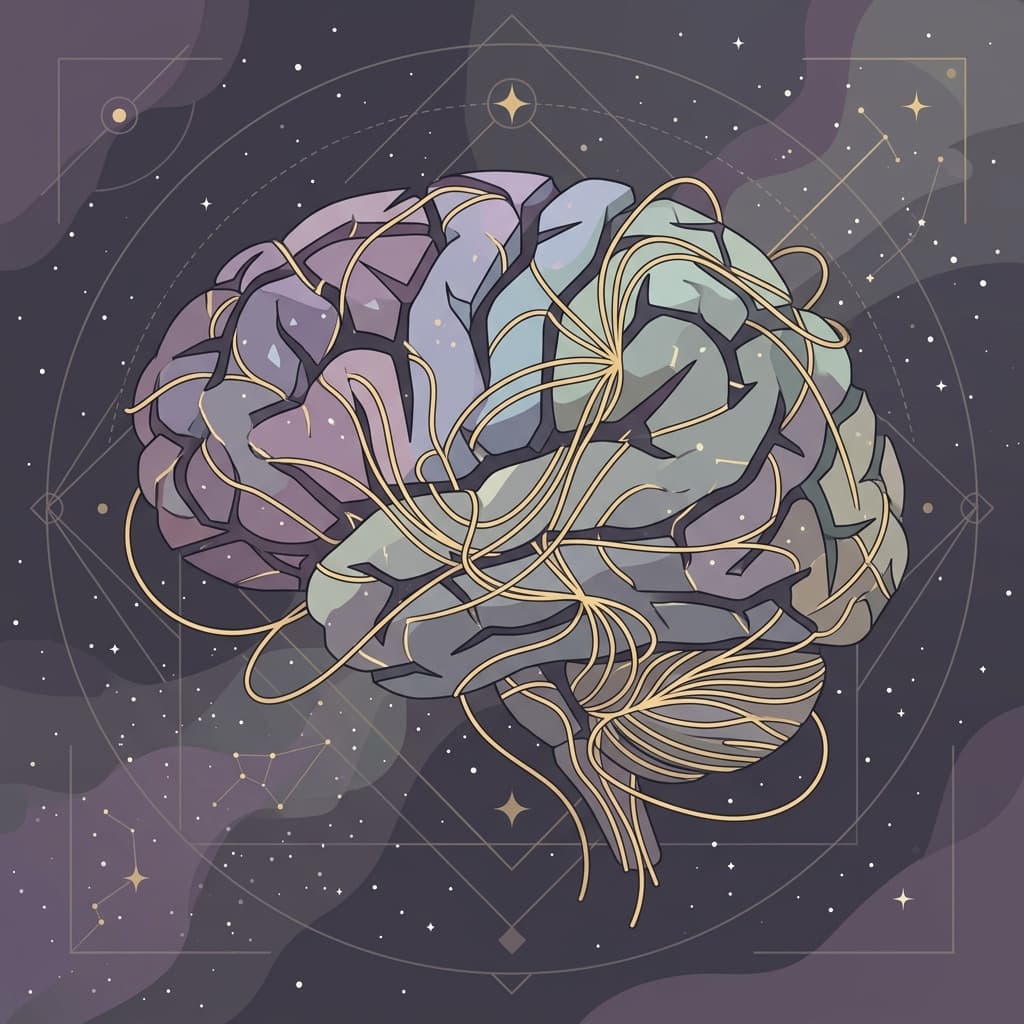
"The brain is a muscle that can be reshaped through intentional effort and consistent environment."
— Youniverse Research
For a long time, personality was thought to be "set in stone" by age 30. We now know this is false. Through the mechanism of neuroplasticity, you can actually shift your "Big Five" scores, improve your emotional regulation, and rewrite your default behavioral patterns. Self-mastery is not about fighting your nature; it is about intentionally directing your biology.
01The Myth of the Fixed Self
The "End of History Illusion" is a psychological bias where we believe we have finished evolving as individuals. In reality, longitudinal studies show significant shifts in personality traits over decades. People generally become more Agreeable and Conscientious as they age (the "Maturity Principle"). Self-mastery is the process of accelerating and directing this natural evolution toward your specific growth goals.
02The 3 Pillars of Change
To change a deep-seated personality trait or habit, you must address three levels:
1. **Environment (Top-Down)**: Change the social and physical cues that trigger old behaviors.
2. **Behavior (Bottom-Up)**: Force "contrary-to-trait" actions (e.g., if you are low in Extraversion, force yourself to initiate one conversation per day).
3. **Identity (Core)**: Shift your internal narrative from "I am [Trait]" to "I am someone who chooses [Behavior]."
- Environment: Cues and social circles
- Behavior: Intentional "contrary" actions
- Identity: Rewriting the internal narrative
03Neuroplasticity in Action
When you perform a "contrary-to-trait" behavior consistently, you are physically weakening old neural pathways and strengthening new ones. This is why the first few weeks of a new habit feel exhausting — your brain is literally building new infrastructure. After 60-90 days, the new pathway becomes the "path of least resistance," and the behavior begins to feel like a natural part of your personality.
Pro Tip
The best way to change a trait is to start with "Micro-Habits" — actions so small they require zero willpower but still fire the new neural pathway.
04The Big Five Hack
Want to increase your Conscientiousness? Don't try to "be more organized." Instead, implement "Implementation Intentions" (If-Then planning). "If I finish dinner, then I will immediately wash my plate." Want to lower Neuroticism? Implement "Cognitive Reframing" exercises twice daily. By targeting the specific behaviors that comprise the trait, you eventually shift the trait itself.
Key Takeaways
- 1Personality is dynamic and can be shifted through intentional effort.
- 2The "Maturity Principle" shows that we naturally evolve over time.
- 3Change requires addressing Environment, Behavior, and Identity.
- 4Neuroplasticity is the physical mechanism behind personal growth.
- 5Micro-habits and If-Then planning are the highest-leverage tools for change.
Continue Reading
Performance Science
High-Performance Flow
12 min · Mapping "Deep Work" to Your Psychological Architecture